

Orphan Mechanics
Let's workshop this poem about the persistence of momentum beyond belonging, as seen in what remains of the residual heat and rhythmic fury inside both a rogue planet and a dying man.

SCENT OF THE DAY: Mohragot, by Prissana
Both sharing a tingling minty core (betel and clove) as well as smoked woodiness based around olibanum and oud, this is the more earthy and green sibling to the more resinous and smoky Ouddicts Anonymous.
The Ensar, even in the EDP form I have, is—even though it its more conspicuously a minty and fougere like—heavier and more mysterious. The inclusion of Ensar signature jammy fruits (blackberry, currant, fig) suggests a dark sweetness that makes it feel more nocturnal and brooding—made even an LA night of Film Noir, which is why—especially with its noticeable tobacco—I consider Jame Cagney as its representative.
The Prin, on the other hand, comes off more botanical and more daytime-oriented. The presence of lime plus the tropical flowers (jasmine, frangipani, ylang) makes it much brighter, and sunny exotic, than the Ensar. Indeed, here I get much more gourmand assocations—and these are benbt in a more garden-savory direction. The pandan leaves here, which people in Thailand often put in their water like we might cucumber or lemon, combines a grassy and nutty aroma to make what comes off as a sort of leafy popcorn. Even though there is oud here too, the oud (Trat) comes off more nutty and vegetal (think almost fresh tobacco) compared to the sour-bent ouds in the Ensar (plum-tobacco Cambodian, peaty-swamp Mereuke)
Here I picture here vetiver roots cooked, low and slow over a campfire, with savory herbs and minty spices. Betel leaf shines here as it does in the Ensar, these two frags being my two benchmarks of the note. Betel leaf, peppery but it gives—unlike the dry and woody black pepper—a lovely phenolic quality: a sweet mentholic tar, which makes its seem like there is lacquer or varnish over the pungent-herbal marigold. Chalood bark amplifies the cinnamon and clove in an herbal-incense direction.
You can see a commonality across Prin but it is more a style then a note (Bianchi orris) or accord (Tauerade)—and quite frankly I love it. It is hard to keep all my Prins straight. This one is so good. The vetiver, one of my favorite notes in perfumery (along with the undersung black pepper of Honour Man), really drives this home. There are so many good Prins I don’t know how this ranks—it would be hard to rank but I know it is not in the top.
In the dry down the vetiver comes out is in the Vetiver-Insolent style (nutty) and, while it is not as “lovely” and friendly as Vetiver Insolent, it is much more deserving of the name—because, just like Hayra’s folded-in-on-itself brooding vibe, this has an ominous reticence that is almost scary sicne it is at the same time such a sunny garden frag. Glad I bought this. There is just something about the Lomros style that is so good. very good in the air, you catch reliable whiffs that are alluring
Orphan Mechanics

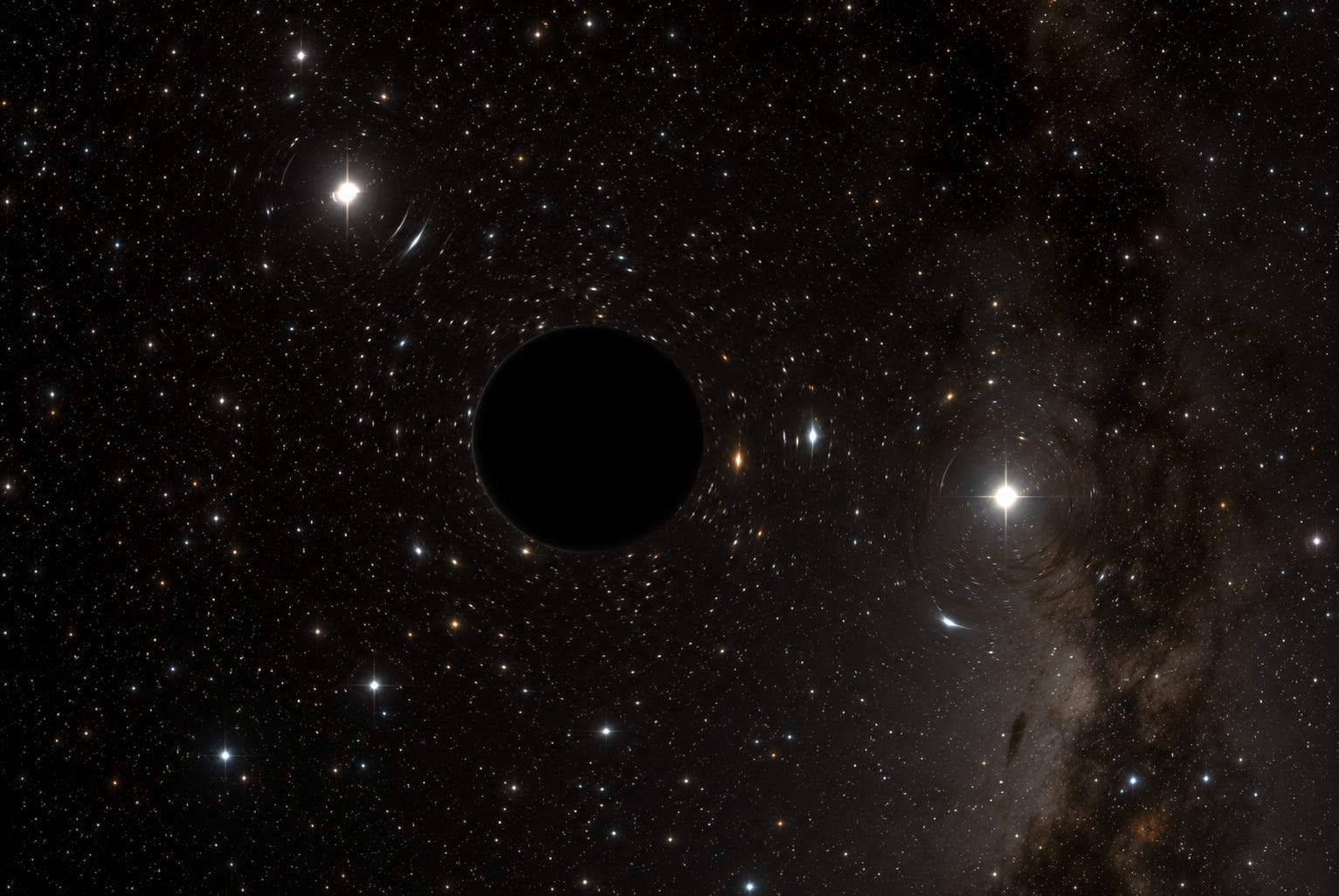
Black silhouette bending
the distant dots, the ejected
planet—still churning core heat

like hospice hips bucking
medulla inertia against each
downstroke of snug mercy, spit

slick—wanders as ours might
one day through zones
questionable in stellar allegiance.
This poem, “Orphan Mechanics,” is a meditation on residual force after severance, on the persistence of momentum beyond belonging. The poem used the central figure of a rogue planet to explore how systems continue generating motion and heat even after expulsion from the structures that once gave them orientation. What gives the poem its unsettling power is its analogy between cosmic drift and the degraded, semi-autonomous reflexes of a dying human body.
The opening image situates us in astronomical exile. The “black silhouette” bending “the distant dots” evokes the indirect detection of a rogue planet, visible not through emitted light but through its effects on surrounding stars. Calling it “the ejected / planet” is crucial: this is not wandering by choice but forcible dislodgment from its native system. Yet despite that exile, it remains “still churning core heat,” preserving internal activity long after separation from its sustaining star. The poem’s first proposition is thus that expulsion does not mean immediate inertness.
The central metaphor radicalizes this idea by translating planetary persistence into bodily terms. The rogue planet’s retained heat becomes analogous to “hospice hips bucking / medulla inertia against each / downstroke of snug mercy.” If “snug mercy” is understood as the tight-handed manual stimulation of a dying man (a furious and tight pumping action, presumably by a nurse or a loved one, to mimic what such tightness tends to mimic whether we like to face it or not: holes perhaps so constructed they reach deep into prepubescent taboo), the image becomes one of profoundly diminished agency: the body responding through lower neurological circuitry, movement persisting where personhood is already receding. “Medulla inertia” is especially effective here, locating the action not in conscious erotic will but in primitive autonomic persistence. The body is still capable of patterned response, but only in a deeply reduced, almost post-personal sense.
“Spit / slick” intensifies the corporeal realism, preventing the analogy from becoming sterile abstraction. The detail makes the scene damp, physical, degrading, insistently biological. What might otherwise read as cosmic grandeur is forced through the humiliating intimacy of bodily decline. This is the poem’s central inversion: the majestic mechanics of astrophysical persistence are made legible through an image of human frailty and involuntary continuation.
The final lines widen the frame once more. The rogue planet “wanders as ours might / one day through zones / questionable in stellar allegiance.” “Allegiance” turns gravitational belonging into something quasi-political or tribal, implying that even our planetary home is contingent rather than guaranteed. Earth itself may someday become orphaned, driven onward by residual mechanics long after losing its proper place.
The title, “Orphan Mechanics,” now lands with greater force. “Orphan” names severance, abandonment, dislocation; “mechanics” names impersonal continuation. Together they suggest a universe in which systems—planetary or biological—can continue functioning in eerie diminished forms after the meaningful structures that once defined them have already fallen away.
Orphan Mechanics, rogue planet, mortality, hospice, reflex, medulla, astrophysics, exile, embodiment, poetic analysis