

Eighth Grade Persona Project
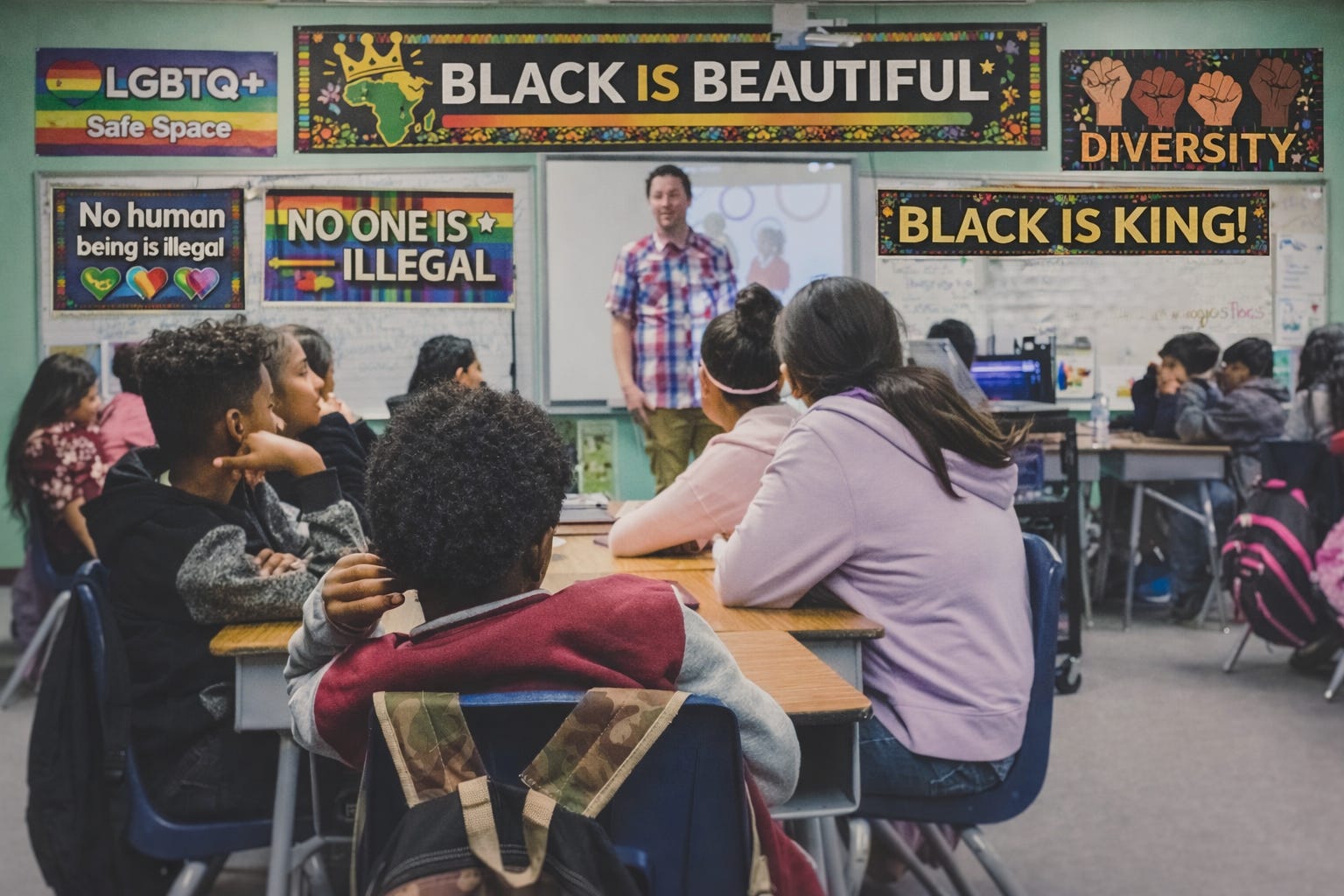
Let’s workshop this found poem: an antiracist clause in a middle-school writing assignment that asks students of a certain racial identity to stay in their lane as a matter of equity-based recompense

SCENT OF THE DAY: Kam Kyoro, by Ensar Oud
Another banger with salty sea-brine ambergris ethereal vibe like Pink Papua (one of my favs) and especially mystical lotus (because of the shared aquatic-tea blue lotus), except here there is a green presence (cypress, artemsia) to give the blue lotus more of a Mousse Illuminee and even Memoir Man bend (which thereby brings it into Irian Green territories. / What is most unique here is the aromatic bite of juniper berry (distantly reminiscernt of Rake and Ruin) plus a subtle underlay of a similar smoke we get in Aroha Kyaku. Only here we get added funk that because of the hyrax-osmathus combo goes more in a dusty apricot suede direction than the metal-black smoked leather of more castoreum-rooted releases. This suede comes off even fuzzier when you consider the subtle role of the velvety rose.
These ambergris heavy Ensars blur for me—I need to spend more analytical time with each. But what is clear as off now is a wonderful tension between brightness that reaches its roots into darkness. The combo of blue lotus and artemisia and mimosa gives this a solid connection to Musk Gardenia releases—but this is much more aquatic in orientation, focusing on ambergris instead of musk and also have much more of a wild tension between light and dark. Indeed, I would even call this blue—having some shower-gel roots even—so long as you have the nose to smell it: an incensy adult shower gel (not the frat-guy generic shit).
Yes, tension is what this sucker is all about. You got all these cold notes: bracing-medicinal blue cypress, bitter-herbal artemisia, pine-needle-in-an-ice-cube juniper berry, natural-spring blue lotus. Then you got all these warm notes: smoky-resinous ouds, sun-baked stone hyrax, dry-toasted caraway. The effect is that you get a clash of warm front and cold front bridged by the middle-ground chameleons: sea-breeze-meets-skin-salt ambergris, apricot-skin-meets-iced-tea osmanthus, sunny-pollen-meets-chilly-spring mimosa. So yes, you get a sophisticated tug of war where silver-blue chill gives way more and more to the heat of salt-crusted leather. Think of it like blue sports body wash meets artisanal attar.
Eighth Grade Persona Project

*Non-BIPOC students who plan
to write about a BIPOC figure
are discouraged from inhabiting
that figure’s own voice. To respect
lived experiences and traumas

spoken over and misrepresented
for too long, you are encouraged
instead to adopt a more removed
perspective: bystander, journalist,
even analyst. This is a guideline.

It is not a formal rule. That said,
any student who decides to take
a different approach must meet
with me no later than two weeks
in advance to discuss the risks.
“Eighth Grade Persona Project” is a finely controlled satire of institutional language around representation, voice, and imaginative authority. By presenting itself as a classroom guideline rather than as a lyrical outcry, the poem lets bureaucratic pedagogy become its own object of scrutiny. Its force comes from fidelity of tone: the voice is measured, careful, compassionate, and managerial all at once. The poem never needs to announce its critique because the structure of the handout already exposes a culture in which moral seriousness increasingly arrives in the form of procedural caution.
The poem’s key phrase is “discouraged from inhabiting / that figure’s own voice.” “Inhabiting” is the crucial verb. It evokes a fuller and riskier act than merely writing in first person. To inhabit a voice is to imaginatively enter another subject-position, to speak from within rather than from about. That is precisely what much literary education has traditionally encouraged as an exercise in empathy, craft, and perspective-taking. The poem locates a moment in which that act has become suspect—especially across racial lines. What is being managed, then, is not simply style but imaginative permission.
The rationale offered is morally intelligible and socially contemporary: the need to respect “lived experiences and traumas / spoken over and misrepresented / for too long.” The poem does not caricature that concern as frivolous. On the contrary, its satire depends on how plausible and familiar the concern sounds. What it exposes is the transformation of that historical reality into administrative language. A serious ethical problem—misrepresentation, appropriation, ventriloquism—gets translated into an assignment protocol. The classroom becomes a site where social history is managed by guideline rather than wrestled with through open imaginative risk.
The alternatives encouraged by the teacher are telling: “bystander, journalist, / even analyst.” These are all positions of distance. They authorize observation, reportage, and interpretation, but not full identification. The poem’s implicit question is what happens to literary imagination when the safest approved perspectives are all external. Instead of asking students to enter another life carefully and responsibly, the assignment steers them toward controlled removal. The result is a pedagogy not of empathy exactly, but of sanctioned proximity.
The poem’s sharpest turn arrives in the disclaimer: “This is a guideline. / It is not a formal rule.” That reassurance would seem to preserve freedom, but the next lines quietly reveal how institutional discouragement actually works. Any student who wants to do otherwise must meet “no later than two weeks / in advance to discuss the risks.” The word “risks” is what converts the whole setup from ordinary pedagogical advice into a satire of liability culture. A writing choice becomes something like an ethical hazard requiring review. The freedom remains technically intact, but it is surrounded by enough anticipatory scrutiny that most students will avoid exercising it. The poem captures with precision how soft power operates: not through outright prohibition, but through friction, paperwork, and implied danger.
What makes the piece especially effective is its restraint. It does not mock the teacher as a villain or reject the history of misrepresentation out of hand. Instead, it stages a recognizable contemporary dilemma: how to honor real histories of exclusion and distortion without turning imagination itself into a suspect activity. The poem’s answer is not stated directly, but its formal intelligence makes the tension unmistakable. A policy designed to prevent speaking over others may end up training students away from one of literature’s oldest capacities—the attempt to speak from within lives not one’s own.
In that sense, “Eighth Grade Persona Project” is about much more than a school assignment. It is about the bureaucratization of moral life: the way institutions increasingly respond to difficult ethical questions by producing guidance documents, risk frameworks, and approved modes of distance. The poem suggests that when imagination must first pass through this apparatus, something essential about both art and education is altered.
satirical poetry, classroom guideline, representation, imaginative empathy, persona writing, institutional language, identity politics, pedagogical caution, cultural appropriation debate, voice and authority, school policy satire